













Is Pre-Batched Espresso the Future of Specialty Coffee, or Just History Repeating Itself?
If you spend any time browsing coffee industry trends, you have likely run into the buzzword of the moment: pre-batched espresso.
With cafes facing mounting pressure to speed up service, reduce wage costs, and maximize throughput, efficiency is king. But can pre-batching espresso truly hold its own in a specialty coffee setting, or are we just stripping away the soul of the craft?
We put our team to the test—running blind taste trials to see if baristas could actually tell the difference between fresh and pre-batched espresso. The results might surprise you.

What is Pre-Batched Espresso?
Traditionally, a barista’s workflow looks like this:
-
Grind fresh coffee on demand.
-
Dose, distribute, and tamp the grounds into the portafilter.
-
Extract the shot based on the day's temperature and humidity.
-
Texture the milk and pour it immediately.
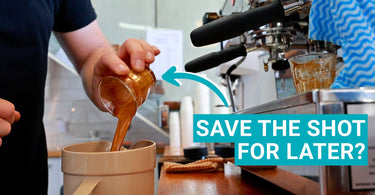
Pre-batched espresso flips this script. Instead of pulling shots on the fly during a rush, baristas pull 20, 30, or 40 espresso shots ahead of time (often before the doors open) and store them in a sealed container or fridge.
When an order comes in, they grab the exact cold measurement needed, pair it with freshly frothed milk, and serve. Some advanced setups even utilize automated tap systems connected to refrigerated lines underneath the counter to dispense chilled espresso instantly.

Can You Taste the Difference? The Blind Taste Test
To find out if pre-batched espresso can genuinely fool the palate, we ran a test with our staff.
Round 1: Open Tasting
In our initial open test, baristas tasted both a fresh cup and a pre-batched cup side-by-side. Interestingly, three out of four team members correctly identified the pre-batched option, but not necessarily because of a massive drop in flavour quality.
The biggest giveaway was visual and textural:
-
The Crema Challenge: Fresh espresso comes topped with a rich, vibrant crema. When pouring milk through fresh espresso, that crema interacts with the foam to create a distinct mouthfeel, colour, and acidity. Pre-batched espresso, having sat in the fridge, loses that active crema layer, resulting in a flatter visual and a smoother, more mellow cup.
-
Temperature: The pre-batched coffee started cold out of the fridge. Even when combined with hot milk, baristas noticed it lacked the intense heat of a freshly extracted shot unless they actively compensated by heating the milk hotter.

Round 2: The Blindfolded Challenge
To remove visual bias, we blindfolded our team member Jimmy and served identical-looking milk drinks using both methods.
The verdict? It became nearly unrecognizable.
Jimmy noted that the drinks were remarkably similar in flavour profile, smoothness, and balance. While fresh coffee maintains its delicate aromatics, the average customer drinking a 12-ounce milk-based beverage would be hard-pressed to tell the difference.
Where Does Pre-Batching Actually Fit in a Cafe?
While purists might shudder at the thought of pre-chilled espresso, the reality is that pre-batching isn't entirely new—it’s just getting a modern makeover. (Think of the classic Tupperware containers of leftover split shots used for iced coffees decades ago!)
Pre-batching has clear, practical applications in a modern cafe menu:
-
Cold Drinks & Iced Lattes: Perfect. When mixed with ice, cold milk, syrups, and ice cream, the nuance of fresh crema disappears anyway.
-
Specialty Cold Beverages: Great for dirty chai's, matcha lattes with an espresso shot, or bottled specialty drinks.
-
Espresso Martinis: A massive time-saver for Friday night cocktail rushes. Pouring from a pre-batched nip bottle speeds up service drastically.
-
Drive-Thru's: If speed and car count per hour are your primary business metrics, pre-batching can slash wait times.
Where It Falls Short
-
Black Coffee: If a customer orders a long black or espresso, pre-batching simply doesn't work. They expect the heat, aromatics, and crema of a fresh extraction.
-
The Theatre of Coffee: Part of the magic of specialty coffee is the connection between the customer, the barista, and the craft. Automating too much can turn a vibrant social hub into a fast-food machine.
Best Practices: How Long Can You Keep Pre-Batched Espresso?
If you decide to experiment with pre-batching in your cafe, food safety and freshness are paramount.
-
The Sweet Spot: Most cafes find that using pre-batched espresso within 24 to 48 hours yields the best flavour.
-
Avoid the "Forever Container": Do not fall into the trap of continuously topping up the same old container day after day. Old coffee fines will settle at the bottom, over-extract, and ruin the batch. Always wash, sanitize, and refresh your containers regularly.

Final Thoughts: Fresh vs. Pre-Batched
So, does pre-batched espresso have a place in the industry? Yes. It is a viable tool for boosting productivity, lowering wage pressures, and streamlining high-volume rushes—provided it is used in the right parts of your menu.
At our espresso bar, however, we choose to stick with fresh extraction. We love the theatre, the interaction, and the ritual of crafting every single cup live for our customers.
What are your thoughts? Would you embrace pre-batched espresso in your local cafe, or do you prefer the craft of a freshly pulled shot? Let's chat in the YouTube comments section!


